 TIANQIU
Short answer: yes for alkaline, yes with conditions for lithium. The rules that catch travellers out are not about whether batteries are allowed, but about where they are packed and how their terminals are protected.
Which batteries can go in which bag?
Chemistry is the line that decides your packing, and the second line is whether the cell is installed or spare:
| Battery type | Carry-on | Checked baggage | Condition that applies |
|---|---|---|---|
| AA / AAA / C / D / 9 V alkaline and zinc-carbon | Yes | Yes | No watt-hour limit; keep in original packaging or tape the terminals |
| Coin cell fitted in a device (CR2032, CR2025, CR2016) | Yes | Usually yes | The device holds the cell and covers its terminals |
| Spare coin cells — lithium metal (CR2032 and other CR cells) | Yes, terminals protected | Often restricted — airline-dependent | Carry-on is the route accepted without exception; keep the cell on its retail card or tape it |
| Spare lithium-ion batteries and power banks | Yes — carry-on only | Not allowed | Never in the hold, at any capacity |
| Lithium-ion installed in a device (laptop, camera, toy) | Yes | Usually yes | Only a contained, protected unit counts as “installed” |
| Above the common 100 Wh threshold | Airline approval required | Airline approval required | Ask the carrier before travel |
Read the table this way: alkaline and zinc-carbon cells are treated as ordinary consumer goods, so nothing changes for them. Lithium is where the rules tighten — and a spare lithium cell is treated more strictly than one fitted inside a device, because the device protects its own terminals. Watt-hours only enter the picture for lithium-ion.
Are CR2032 batteries allowed in checked baggage?
A CR2032 is a lithium metal cell, so it is not treated like an ordinary alkaline cell. Spare CR2032s belong in carry-on with the terminals protected — many airlines restrict loose lithium cells in checked baggage. A CR2032 that is already installed in a device normally travels fine in a checked bag, because the device holds the cell and covers its terminals. Our CR2032 model page lists the specifications if you need to confirm what type of cell you are carrying.
Can you fly with alkaline and carbon-zinc cells?
Standard alkaline and zinc-carbon cells are treated as ordinary consumer goods:
- allowed in both carry-on and checked baggage,
- no watt-hour limit for the cells themselves,
- best transported in their original packaging or with the terminals taped, so they cannot short against keys or coins.
What are the rules for lithium cells and batteries?
Lithium is where the rules tighten, because a shorted lithium cell can heat and ignite:
| Item | Carry-on | Checked |
|---|---|---|
| Installed in a device (laptop, camera, toy) | Yes | Usually yes |
| Spare lithium-ion batteries / power banks | Yes — carry-on only | Not allowed |
| Spare lithium metal cells (CR2032 and other coin cells) | Yes, terminals protected | Airline-dependent, often restricted |
| Above the common 100 Wh threshold | Airline approval required | Airline approval required |
Pack spare lithium cells in carry-on. That is the rule most airlines apply without exception, and it is also what security expects to see when a bag is opened. It applies to every CR coin cell, not only the CR2032 — the CR2025 and CR2016 travel under exactly the same rule.
How should you pack cells so they pass inspection?
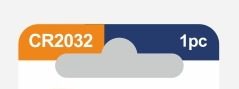
- Keep cells in their retail packaging if you have it — it is designed to prevent contact.
- Tape the terminals of loose cells with insulating tape, or put each one in a small plastic bag.
- Do not leave loose cells in a pocket of a bag with metal objects.
- Check the Wh rating printed on lithium-ion batteries and power banks; the 100 Wh figure is the threshold most carriers use before requiring approval.
- Declare what you must — if a carrier asks for the battery type, say lithium-ion or lithium metal rather than “batteries”.
How are batteries shipped commercially?
For cargo, the paperwork matters more than the packing: lithium cells travel under UN38.3 test reports with an MSDS and transport documentation, and air or sea freight has different declarations. That documentation is prepared per shipment, and it is one of the things we supply with every battery order. What is declared on the commercial invoice, and how freight and duties are allocated, is set out in our shipping policy; cells and packs that travel as cargo are built in the lithium battery programme, and the document set per destination is covered in the battery FAQ.